
Aurora City Council Candidate Questionaire
All responses are in the candidates' own words. Soul 2 Soul is a nonpartisan organization and does not endorse or oppose any candidates
Aurora City Council (At-Large, Wards 1, 2, and 3)
What this Office Does:
City Council members are the policymakers for the city. They work on creating and implementing goals, major projects and budget priorities for the city of Aurora. Aurora city council is comprised of 10 members, 4 at-large members who represent the entire city, and six ward council members who represent certain sections of the city. For the At-Large election, there are two open seats. The two candidates who receive the most votes will win the election.
At Large Candidates
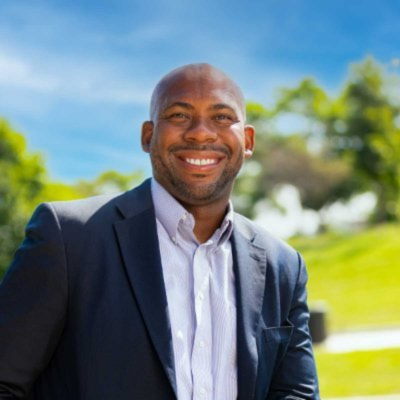
Who are you and why are you running for Aurora City Council?
Rob Andrews is a longtime Aurora resident, community advocate, and nonprofit leader who has built his campaign on listening to voters, championing economic vitality, and ensuring affordable housing and community-based public safety that works for everyone. Rob has experience bringing people together across divides, and his leadership emphasizes bridge-building, accountability, and equity.
Please share more about an issue on your platform and why you see it as a priority for Aurora.
Economic Vitality for All. Aurora’s economy should benefit everyone – not just the well-connected. Rob will champion small businesses, fight for fair wages, and attract investment that creates good-paying jobs. After 2 decades as a nonprofit leader working to give folks a second chance he knows that when workers, entrepreneurs, and families succeed, the whole city thrives. Economic growth must be inclusive, lifting up every neighborhood and every community across Aurora.
How do you define public safety and what do you believe the city council’s role is when it comes to fostering safe and healthy communities?
Public safety is one of my top priorities, and I believe it must be defined in a community-based way that goes beyond reacting to crime. To me, public safety means every Aurora resident feels safe and secure in their neighborhood, with systems in place that prioritize healing, understanding, and prevention. City Council has a responsibility to fund and champion strategies that reflect the realities of our community. That’s why I’m committed to expanding restorative justice programs that reduce recidivism, investing in youth engagement by providing free access to recreation centers, sports leagues, and reservoirs for residents under 18, and ensuring our first responders receive trauma-informed training to better serve those in crisis. As one of the most diverse cities in the nation, Aurora must also prioritize cultural competency in public safety. I will work to establish a Cultural Competency Advisory Board made up of community leaders to help guide policies and training. Together, these efforts will not only build trust between residents and first responders, but also create safer, healthier communities where everyone can thrive.
What are your budget priorities and how would they impact the community you would represent?
My top budget priorities are affordable housing, community-based public safety, and investments in economic vitality for all. I will prioritize funding programs that make housing actually attainable for working families, seniors, and young people – because stable housing is the foundation of opportunity. I will ensure resources go toward community safety strategies that build trust, including expanding mental health crisis response and prevention programs, rather than relying solely on policing. And I will support investments that lift up small businesses and create good-paying jobs across Aurora, so every neighborhood benefits from economic growth.
These priorities will directly impact the community by helping families stay in their homes, making our neighborhoods safer, and building an economy that works for everyone – not just the well-connected. A budget is a reflection of values, and mine will always center the people of Aurora.
What are your thoughts on how to protect and increase access to civic engagement for historically disenfranchised communities, including Black voters and incarcerated voters?
As a Black man, I know firsthand the barriers that have long stood in the way of Black voters and other historically disenfranchised communities. Protecting and expanding access to civic engagement isn’t just a policy priority – it’s personal. I believe our democracy is strongest when every voice is heard and valued.
For Black voters, that means fighting back against voter suppression, ensuring polling places are accessible, and investing in outreach and education so people understand their rights and how to exercise them. For currently and formerly incarcerated individuals, it means removing stigma and barriers to participation, and working to restore voting rights so people can fully rejoin and contribute to their communities. I have spent my career - 2 decades - helping formerly incarcerated people re-enter society and build lives for themselves with the ultimate barriers in front of them.
Aurora is one of the most diverse cities in the country, and we should lead by example in making civic engagement easier, more inclusive, and more accessible. That includes language access for the more than 90 languages spoken in our city, community-based voter education, and making City Hall a place where all residents feel welcome to have a seat at the table.
Cost of living and housing affordability consistently rise to the top as a key issue for Black voters - if elected, what are your plans to address this issue?
This, similar to public safety, is another one of my top issues that I am running on. See my whole platform here: https://www.andrewsforaurora.com/issues. Housing affordability is one of the most pressing challenges facing Aurora, and it consistently rises to the top for Black voters and working families across our city. Too many of our neighbors are being priced out of the communities they helped build. If elected, I will make affordable and accessible housing for all a top priority.
My plan focuses on bold, practical solutions: creating transitional housing programs that pair affordable homes with supportive services so families can regain stability; developing workforce housing tailored for teachers, healthcare workers, first responders, and others who keep Aurora running but are often priced out; and expanding supportive housing that combines permanent housing with critical services to reduce homelessness and save public dollars long-term.
I believe housing is a fundamental right, and City Council has a responsibility to make sure the American Dream remains within reach for everyone, including Black communities who have been shut out from the American Dream due to centuries of institutional racism. By addressing the cost of living head-on and ensuring families can find attainable housing, we can build a stronger, more stable, and more equitable Aurora.
What do you see as city council’s role in supporting the Aurora community to navigate a rapidly shifting political landscape, especially when it comes to immigration and healthcare policy?
Aurora is one of the most diverse cities in the country, and City Council has a responsibility to ensure every resident feels seen, valued, and supported – especially in times of political uncertainty. When state and federal policies on immigration or healthcare shift, City Council must act as a bridge, connecting residents to resources, advocating for their rights, and ensuring no one falls through the cracks.
That means protecting immigrant families from discrimination, ensuring city services are accessible in the more than 90 languages spoken here, and partnering with community organizations that provide healthcare access and support. It also means standing up for our neighbors when divisive national politics threaten to harm them.
Council can’t control every federal or state decision, but we can shape how those decisions are felt locally. By investing in inclusivity, accessibility, and strong partnerships, we can make Aurora a city where everyone – regardless of background, immigration status, or health needs – has the opportunity to thrive. CURRENTLY, the Council does not listen to people. They shut down in-person meetings and public comment opportunities, openly despite immigrants and brand them all as criminals, and allow unarmed Black men to be gunned down in the streets without any accountability. THIS MUST CHANGE.
Are there any endorsements you would like to share?
https://www.andrewsforaurora.com/endorsements -- Congressman Jason Crow, Aurora City Councilpersons Crystal Murillo, Ruben Medina; Planned Parenthood, CO Black Women for Political Action, Conservation CO, Collective PAC, DALF, Metro Housing Coalition, Moms Demand Action, and MANY more!
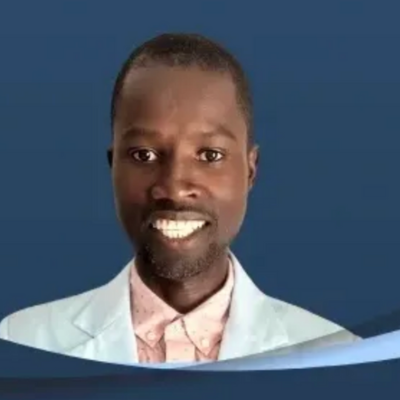
Who are you and why are you running for Aurora City Council?
I’m Watson Gomes, Independent Candidate for Aurora City Council At-Large, an educator, youth coach, and community advocate dedicated to building a stronger, more inclusive Aurora. Currently, I serve as a Social Science Instructor at the Community College of Aurora and also teach Social Studies and Financial Literacy at Rocky Mountain Prep RISE High School. Beyond the classroom, I coach youth with the Colorado Rapids, where I emphasize teamwork, mentorship, and creating opportunities for all young people. I hold a Master of Arts in International Relations from the Graduate Center of New York, where I was honored to serve as a Student Council Representative, and a Bachelor’s degree in Law from Methodist University. In 2010, I was recognized with the Prize of Education in Human Rights from Methodist University for my commitment to equity and human dignity. As a husband, father, and lifelong educator, I am deeply committed to public service and human rights. My career has been dedicated to empowering students, amplifying community voices, and building connections between classrooms and neighborhoods. Now, I am running for Aurora City Council At-Large to bring experienced, values-driven leadership to our city. My vision is a more connected, transparent, and compassionate Aurora—a city where every voice matters, every neighborhood thrives, and government works for the people, not political parties. I’m running because I believe our city deserves leadership that puts people—not political parties—first.
Please share more about an issue on your platform and why you see it as a priority for Aurora.
As a teacher, I know you can’t walk into a classroom without a lesson plan—and the same is true for city leadership. That’s why I’m the only candidate who has put forward a clear 5-point plan for Aurora. My platform focuses on affordable housing, education, childcare, public safety, and job creation. These are the foundations of strong, sustainable communities where every family has the opportunity to thrive. This isn’t just a campaign promise—it’s a roadmap for action. You can review the full proposal on my website under “Get More Info,” where I welcome feedback and ideas from our community.
How do you define public safety and what do you believe the city council’s role is when it comes to fostering safe and healthy communities?
I define public safety as a community where everyone feels safe, included, and that they belong. As a City Council member, my role is to engage in conversations with all Aurorean residents, bring people together to address injustices, and stand firmly for what is right.
What are your budget priorities and how would they impact the community you would represent?
My top budget priority is to ensure Aurora has a balanced, sustainable budget that works for everyone. Based on current projections, the city could face a $26 million shortfall, and that requires responsible, transparent leadership.
I believe in prioritizing essential services that directly impact families—public safety, housing, education, and infrastructure—while carefully reviewing spending to eliminate waste. Every dollar should be invested in ways that make our neighborhoods safer, strengthen our economy, and improve quality of life for all Auroreans.
My approach is simple: protect what matters most to residents, spend responsibly, and keep Aurora on a strong financial path so we can thrive now and for future generations.
What are your thoughts on how to protect and increase access to civic engagement for historically disenfranchised communities, including Black voters and incarcerated voters?
I love this question because I teach Civics, and I see firsthand how important civic engagement is for historically disenfranchised communities. Many of my students and neighbors come from backgrounds where their voices have too often been ignored.
My message to them is always the same: education is empowerment. By understanding their rights, using their voice, and engaging in the democratic process, they can help shape the future of Aurora.
As a councilmember, I will work to remove barriers to participation whether through expanding access to information, supporting voter education, or creating more opportunities for residents to be heard at the local level. Civic engagement must be inclusive, accessible, and empowering for every Aurorean, including, immigrant communities, and returning citizens.
Cost of living and housing affordability consistently rise to the top as a key issue for Black voters - if elected, what are your plans to address this issue?
The rising cost of living and housing affordability is one of Aurora’s most urgent challenges, affecting families across our city every day. If elected, I would focus on the solutions outlined in my 5-point plan. My plan is designed to benefit all Aurorean including Black residents—by addressing affordability, stability, and opportunity for every community.
What do you see as city council’s role in supporting the Aurora community to navigate a rapidly shifting political landscape, especially when it comes to immigration and healthcare policy?
While immigration policy is primarily a federal issue, the City Council has an important role in supporting the diverse communities living in Aurora. We should ensure that all residents, including immigrants who are contributing members of our community, feel safe and supported, particularly those who are law-abiding and working to build their lives here.
Regarding healthcare, the council can work to connect residents with local resources, expand access to public health programs, and advocate for policies that improve wellness and affordability at the community level. Overall, the council’s role is to make sure every resident has the support they need to thrive, even amid a rapidly shifting political landscape.
Are there any endorsements you would like to share?
Yes! I’m proud to have the endorsement of Aurora residents, including those who signed my petition to get my name on the ballot. Their support reflects the trust and confidence our community has in my commitment to serving all residents.
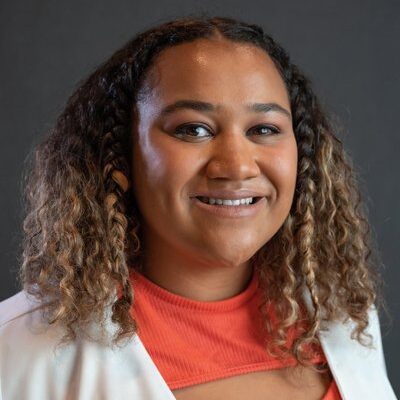
Who are you and why are you running for Aurora City Council?
I am a black woman who is born and raised in Aurora, Colorado. I am a mother, social worker, and proud resident of Aurora. I am concerned for the future of our city. I am tired of how our city has been portrayed by our elected officials. My campaign slogan is "Community First" because community needs and voices should shape the policy decisions our city council makes, and right now community interests are not taken into consideration. Diversity, equity, and inclusion are important values of mine, and the current city council does not respect these values.
Please share more about an issue on your platform and why you see it as a priority for Aurora.
I want to champion Economic Justice for everyone in Aurora. The city council should prioritize supporting and expanding black owned businesses in the city. The city government needs to ensure that the diverse communities, including the black community, in Aurora are thriving and able to afford quality housing, healthy groceries, and become entrepreneurs. I want to create entrepreneurial pathways for the black community, so that we can achieve true economic mobility.
How do you define public safety and what do you believe the city council’s role is when it comes to fostering safe and healthy communities?
Our city council has control over the police department as set up in our city charter. The city council then has a crucial role in shaping policy relating to public safety. In this role I will implement community policing. I want a full audit on all police training and procedures. Our policies related to use of force should be completely rewritten. There is a serious culture problem with the Aurora Police Department. The only way to fix this is through education, training, and increased accountability. Our city's current policy towards crime is entirely reactionary, which does address the underlying issues in our city that lead to crime. If we fully supported our youth, provided mental health care to all, and ensured that everyone had the resources they need to survive we could create a much safer and healthier community without the need for more police or harsher criminal penalties.
What are your budget priorities and how would they impact the community you would represent?
The city finds itself with a significant budget deficit. This is partly due to Trump's mishandling of the national economy, and partly due to failed city policy. I want to reinstate the occupational privilege tax and explore other ways to make sure that wealthy Aurorans are paying their fair share. I also want to work with non-profit and private funders to secure funding for needed city services. I would want to also redistribute money from our bloated police budget, to fund programs that target the root of crime in Aurora. I support expanding and improving social services, housing supports, mental health services. I want every neighborhood to have access to world-class parks, recreation centers, and enrichment activities.
What are your thoughts on how to protect and increase access to civic engagement for historically disenfranchised communities, including Black voters and incarcerated voters?
We need to bring the government into community areas, so that they can easily and directly engage with the city government. As a city council member, I will focus on having real conversations with the people who live in Aurora, especially those who are historically disenfranchised. The way the city structures its elections and government also lead to civic disengagement. I support even year elections and making our elections partisan. This will increase visibility for the elections and help voters be more informed about who they are voting for. Additionally, I think Aurora should eliminate the use of At-Large seats and increasing the number of wards in the city. At-Large election models have long been a tool of voter disenfranchisement going back to the Jim Crow south, they have no place in our city government.
Cost of living and housing affordability consistently rise to the top as a key issue for Black voters - if elected, what are your plans to address this issue?
We have amazing resources available to us that our city ignores because they refuse to work collaboratively with housing programs that already exist in Colorado. I believe that we need to implement a housing first strategy to tackling homelessness, because it leads to better outcomes in terms of employment, health, and long term stability. We need to get people off of the streets and connected with resources. The city currently provides extensive tax breaks and special considerations for certain developers and home builders in the city, but we are not seeing a return on that investment in the form of affordable housing. I want to hold developers accountable and ensure that they build housing that is affordable. The city also needs to go after landlords who abuse their tenants and raise rents while neglecting their properties. I want to see an expansion of tenant unions, owner co-ops, and other rent-to-own options in our city. The city should work with the state and federal government to support evidence based policies at those levels that will help support Aurora.
What do you see as city council’s role in supporting the Aurora community to navigate a rapidly shifting political landscape, especially when it comes to immigration and healthcare policy?
I am running to take ownership of how Aurora responds to the current presidential administration. We need to have trusted experts in our community to respond to the rapidly shifting issues in our city. When Washington presents a constantly changing assault on all aspects of government, we need a city council with firmly held values and commitments.
I strongly believe that everyone in Aurora has autonomy over their body, and that everyone in Aurora has the right to make choices about their bodies and their healthcare. ICE is out of control, and there is no accountability from the federal government. They are a threat in our community and we need to develop local systems that keep ICE from terrorizing our immigrant neighbors. Aurora is an All American city, and we have always been a welcoming city for immigrants. I will champion policies to make sure that it stays that way.
Are there any endorsements you would like to share?
I am proudly endorsed by Colorado Peoples Action, New Era Colorado, Colorado Black Women for Political Action, Planned Parenthood Action Fund, Working Families Party Colorado, the Denver Area Labor Federation, Run For Something and Conservation Colorado. I am also proudly endorsed by current progressive city council members Allison Coombs, Crystal Murillo, Ruben Medina and the President of Aurora's NAACP chapter Omar Montgomery.
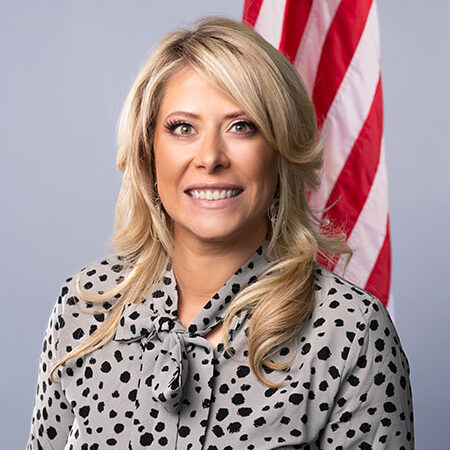
No response to the questionnaire
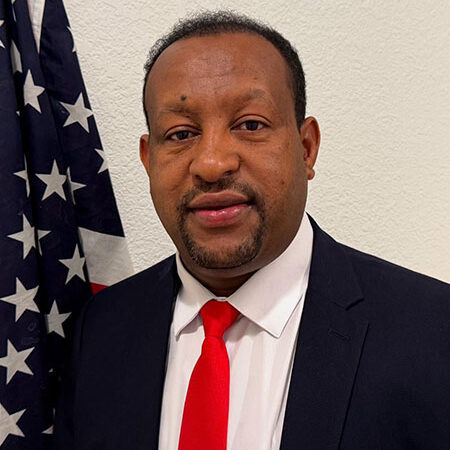
Who are you and why are you running for Aurora City Council?
I am running for re-election to the Aurora City Council because I believe in building a city where every family can thrive. Aurora is a diverse, growing community but we face real challenges that demand strong, principled leadership.
Please share more about an issue on your platform and why you see it as a priority for Aurora.
My Priority, To Connect people across, protect our neighborhoods and safe communities, and create economic opportunity by fostering, civic engagement, and meaningful dialogue that ensures every voice is heard.
How do you define public safety and what do you believe the city council’s role is when it comes to fostering safe and healthy communities?
Having respectful and meaningful discussions between community members of all backgrounds and law enforcement will help create safer streets and stronger neighborhoods. And as the council member I will do my best to facilitate the dialogue.
What are your budget priorities and how would they impact the community you would represent?
My story is one of resilience, service, and gratitude got from community. Aurora embraced me and gave me the chance to build a future, and now I am committed to giving back by helping our city move forward and it is my priority to connect community across regardless
What are your thoughts on how to protect and increase access to civic engagement for historically disenfranchised communities, including Black voters and incarcerated voters?
I believe in open dialogue with respectful civic engagement regardless any opinion or color of people
Cost of living and housing affordability consistently rise to the top as a key issue for Black voters - if elected, what are your plans to address this issue?
Want to work hard have affordable house more available to our community regardless
What do you see as city council’s role in supporting the Aurora community to navigate a rapidly shifting political landscape, especially when it comes to immigration and healthcare policy?
As an immigrant myself, I understand these issues on a deeper level. While immigration is a federal matter and not under city authority, I will create forums to train and educate our immigrant communities on the laws and regulations of this country, so they can fully embrace and achieve their American dream.
Are there any endorsements you would like to share?
African immigrant community and Eritrea community and Ethiopian American civic council, Horn of Africa Chambers.
Ward 1 Candidates
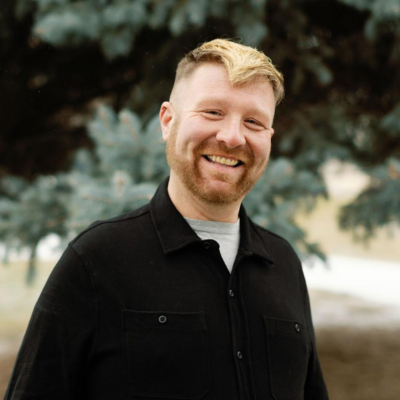
No response to the questionnaire
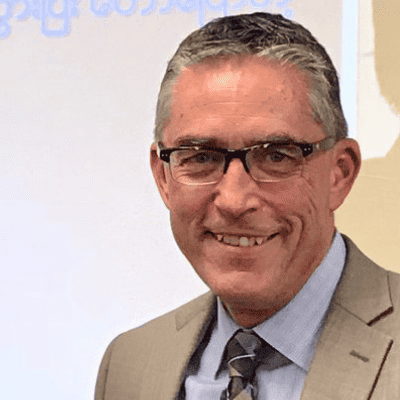
Who are you and why are you running for Aurora City Council?
I am a long time Aurora resident and very active in the community. We are at a critical moment in our community filled with challenges and opportunities. I am running to represent Ward One on Aurora City Council to make sure that we maximize this important moment by taking advantages of the unprecedented opportunities right in front of us.
Please share more about an issue on your platform and why you see it as a priority for Aurora.
Economic revitalization is important priority for me. Many in our community are struggling to pay their bills and care for their family. We need to create good job opportunities that pay wages that fully support all of the members of our community. Additionally we need to better support the small business entrepreneurs among us that have the potential of providing a great income for their family and provide jobs for more member of our community.
How do you define public safety and what do you believe the city council’s role is when it comes to fostering safe and healthy communities?
Public Safety is a broad term. It certainly pertains to Police, Fire and Emergency Management, but it also applies to traffic, zoning, code enforcement and variety of other city departments and functions. The City of Aurora and City Council have a central role in fostering a safe and healthy community. There is no more important responsibility than providing for public safety.
What are your budget priorities and how would they impact the community you would represent?
We have to fund the critical public safety services in our community as well as basic infrastructure... streets, bridges, lighting. We also need to begin to think more long term... how do we invest in the young people in our community providing resources and support for them so that they have great options that will make them outstanding assets to our community.
What are your thoughts on how to protect and increase access to civic engagement for historically disenfranchised communities, including Black voters and incarcerated voters?
It is essential that we actively reach out to our historically disenfranchized neighbors through trusted community voices. We really needed all the voices of your community to be valued and heard. Purposeful outreach and careful listening are important aspects of this work.
Cost of living and housing affordability consistently rise to the top as a key issue for Black voters - if elected, what are your plans to address this issue?
We have to do everything we can to maintain affordability. Many families are struggling with increasing prices and stagnant income. We must also b sure to address the cost and other barriers to home ownership, a real key in helping residents keep up with inflation.
What do you see as city council’s role in supporting the Aurora community to navigate a rapidly shifting political landscape, especially when it comes to immigration and healthcare policy?
Council members have to be active in helping community understand the issues and which branch of government has the authority to make changes in each particular case. While issues like immigration and healthcare are not within the City Councils prevue, council members must be helpful in getting community members engaged in those issues in the best possible way.
Are there any endorsements you would like to share?
No response
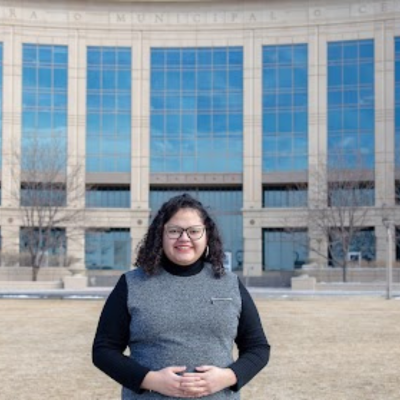
Who are you and why are you running for Aurora City Council?*
I believe that diverse voices and power must constantly be at the table in legislation that directly impact our lives. As a fifth-generation Coloradan, a daughter of an immigrant, and a justice advocate who has centered accountability and transparency in my work, I am committed to ensuring that all people feel empowered and safe to engage in all aspects of public life and feel proud to call Aurora home.
Please share more about an issue on your platform and why you see it as a priority for Aurora.
One of my top priorities is Dignified and Affordable Housing. In Ward 1, 65% of residents are renters, many living in unsafe or poor-quality conditions. Too often, landlords are not held accountable, leaving families vulnerable. I believe that housing is a human right, and Aurora must ensure people can live in homes that are safe, affordable, and reflective of their income and environmental needs. With new development coming across Ward 1, we need bold policies and strong community advocates to protect our working families. I am also committed to Accountable Policing and Alternatives. Aurora Police remain under a consent decree, and while policies have changed, serious community concerns remain as we have seen Black boys and men murdered by the police. Instead of continuing to over-rely on policing, I will push for investment in alternative response models like AMRT that prioritize behavioral health and de-escalation, that are proven approaches that make our communities safer. In addition, I will champion independent civilian oversight of law enforcement bringing accountability and transparency to the city. Finally, I will fight to Protect and Support Immigrant Neighbors. Ward 1 is home to the GEO Detention Center, which has faced numerous human rights violations, and yet Aurora remains the most diverse city in Colorado. Instead of ignoring immigrant struggles, we should be celebrating immigrant contributions, holding this facility accountable, and ensuring immigrants have access to resources and opportunities.
How do you define public safety and what do you believe the city council’s role is when it comes to fostering safe and healthy communities?
I define public safety as more than just crime prevention. It’s about creating communities where everyone can live without fear and have access to resources that support their well-being. That means shifting away from punitive approaches that rely solely on policing and punishment, and instead investing in public health solutions like behavioral health response teams, youth programs, mental health services, and community-based violence prevention. City council plays a critical role in setting budgets, policies, and partnerships that prioritize these proactive strategies, ensuring that safety is rooted in prevention, equity, and community trust rather than fear or punishment.
What are your budget priorities and how would they impact the community you would represent?
My budget priorities focus on investing in people first. That means directing resources toward dignified and affordable housing, including stronger code enforcement, renter protections, and funding for affordable housing that meets the needs of working families. I would also prioritize community safety through alternatives, like behavioral health response teams, youth programs, and violence prevention, approaches proven to build trust and reduce harm. Finally, I believe in funding immigrant and language access services so every resident can benefit from city resources. These priorities ensure Ward 1 families aren’t left behind and that Aurora grows equitably, with fairness and dignity for all.
What are your thoughts on how to protect and increase access to civic engagement for historically disenfranchised communities, including Black voters and incarcerated voters?
Protecting and increasing access to civic engagement requires intentional, equitable, realistic, community-centered strategies. First, providing clear and accessible voter education is key, including information about registration deadlines, how to vote, and understanding ballots. Partnering with schools, libraries, and nonprofits to offer nonpartisan workshops can help residents learn how to participate in local government, attend meetings, and engage in public hearings. Ensuring accessible polling locations and accommodations for people with disabilities or other barriers also makes a difference. For individuals impacted by the justice system, reentry programs that include civic education can help them reconnect with community decision-making. Together, these approaches strengthen democracy and ensure all voices are represented, especially those most systemically disenfranchised.
Cost of living and housing affordability consistently rise to the top as a key issue for Black voters - if elected, what are your plans to address this issue?
Here are a few examples I have been considering as a candidate for Aurora City Council, Ward 1:
- Strengthen Renter Protections: Enforce building and health codes, hold landlords accountable, and prevent exploitative rent increases.
- Expand Affordable Housing: Partner with nonprofits and developers to create housing that aligns with residents’ incomes and environmental needs.
- Support Community-Led Development: Ensure new development in Ward 1 includes community input, protects existing residents, and prioritizes working families.
- Environmental and Safety: Require housing to meet sustainability and safety standards, including healthy living conditions.
- Invest in Mutual Aid and Support Services: Provide resources for housing navigation, emergency assistance, and support for vulnerable populations.
What do you see as city council’s role in supporting the Aurora community to navigate a rapidly shifting political landscape, especially when it comes to immigration and healthcare policy?
City council plays a critical role in ensuring Aurora residents can navigate a rapidly changing political landscape, especially around immigration and healthcare. When state or federal policies create barriers, the city must step up to protect and support residents by partnering with nonprofits, building mutual aid networks, and ensuring access to language services. Council can also advocate for local policies that expand healthcare access, provide culturally competent services, and protect immigrant families from discrimination or harm. By taking proactive, community-centered action, city council can ensure every resident has the resources, information, and support needed to thrive.
Are there any endorsements you would like to share?
I am very honored at the list of endorsements I have received from Ward 1 residents, elected officials, and organizations that support Black, immigrant, and working families. My endorsements can be found here: https://gianinaforaurora.com/endorsements/
Ward 2 Candidates
No response to the questionnaire
Who are you and why are you running for Aurora City Council?*
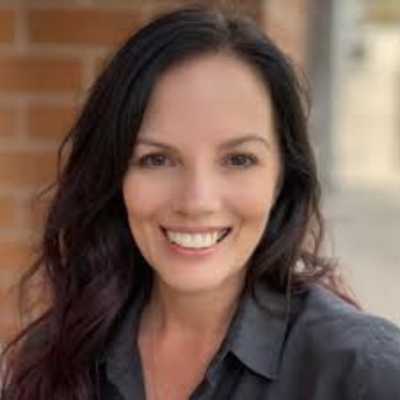
My name is Amy Wiles, I'm a mom to two grown sons, I own a small business and am active in the community. I chair the city's Human Relations Commission and I volunteer on the Community Advisory Council for APD's consent decree. I believe you can't complain unless you try to fix the problem and after watching our city over the last few years, I decided that it was time to take on a larger role and ensure the community voices were heard and not silenced, that our police dept is held accountable with a chief who represents our community and we need to stop the false narrative that Aurora is a dangerous community filled with gangs. We are a vibrant diverse community who deserves leaders who value it and want to make things better for us all not just for a select few.
Please share more about an issue on your platform and why you see it as a priority for Aurora.
In ward 2, infrastructure gaps are a huge issue. In a lot of the new areas we have two lane roads which are not only unsafe but often add 10-20 minutes into a commute time just to leave or enter the neighborhoods. Many parts of ward 2 are food deserts, we do not have public transportation, nor do we have rec centers or libraries. We have a youth violence issue but in ward 2 there aren't any safe places for them to gather, learn skills and have group activities. A community is more than just rooftops, we need the parks, roads, centers etc that allow people to live here and thrive.
How do you define public safety and what do you believe the city council’s role is when it comes to fostering safe and healthy communities?
Public safety is stereotypically thought of as police and fire but in reality that is a small piece. Public safety to me means: 1) preventing crime by increasing access to activities, training opportunities and mental health support 2) Infrastructure is a piece of public safety- bored kids get into trouble. Kids who don't have access to rec centers, sports/arts, parks and libraries are at risk. Also food deserts create a challenge to public safety. It requires community members to walk or drive long distances, it limits access to fresh food and increases reliance on fast food or gas station food- both of which creates health issues which are a threat to overall public safety. 3) Affordable housing is also a public safety issue. I think the council's role is being a bridge for the community and the services they need. Whether its increasing city services or increasing knowledge about services offered in the community- council should be that connector. They also need to demand more from developers and business owners to ensure they are being good members of the community and providing opportunity to community members.
What are your budget priorities and how would they impact the community you would represent?
We are in a huge budget deficit, thanks in part to the current council removing an occupancy tax from employers. We need to evaluate the money we are spending on police and re-think how to add more mental health services versus officers. We also need to increase our partnerships with nonprofits in the community- often a city cannot provide all the services needed and partnering with local nonprofits will help to alleviate some of the pressures in terms of budget while still making sure community has services they need. We also need to take advantage of money at the state level- there is some money available for infrastructure that so far has not been taken advantage of and we need to address that.
What are your thoughts on how to protect and increase access to civic engagement for historically disenfranchised communities, including Black voters and incarcerated voters?
I think we need to look at removing any barriers that exist as well as increasing access for community to vote and be more engaged in city leadership. This means working with community groups like the RMNAACP and meeting voters where they are at. We are running a grass roots campaign which means walking and knocking at a lot of doors, highlighting why voting is key, attending community events and being open to feedback. We also need to be ok with being asked the hard questions and I think honesty goes along way in that aspect. In terms of incarcerated voters, we need to ensure they have access to vote as well as opportunities to learn about ballot measures and candidates. We can work with city jails along with Arapahoe and Adams County to ensure people have access to educational opportunities so they are able to vote. Voter education is key, so this isn't just an election year push it needs to be an every year push.
Cost of living and housing affordability consistently rise to the top as a key issue for Black voters - if elected, what are your plans to address this issue?
I believe we need to do a few things. We need to increase our affordable housing options- this to me includes requiring builders to add affordable homes to each subdivision. I also believe workforce housing should be established for our teachers so they can live and teach in the same community. I also think we need to offer additional programs that help minority community members on the path to home ownership. I also think we need to look at smaller footprint homes (patio homes/tiny houses/townhouses) in some of the new developments. These offer new buyers a step into home ownership at a smaller price.
What do you see as city council’s role in supporting the Aurora community to navigate a rapidly shifting political landscape, especially when it comes to immigration and healthcare policy?
I believe our council should be supporting our immigrants and welcoming them to our community and not villainizing them. Current council wants to defy state law and work with ICE while I believe we need to follow the law and ensure our community members are not targeted. We also need to look a ways to increase health care access. I believe leaving tricounty health was a mistake that our low and middle income residents are paying for. I think we need to look at re-joining to ensure everyone has access to care.
Are there any endorsements you would like to share?
I'm endorsed by New Era, DALF, Rep Jamie Jackson, Sen Mike Weissman, Rep Michael Carter, City Council members Alison Coombs and Ruben Medina as well as Moms Demand Action
Ward 3
No response to the questionnaire
Who are you and why are you running for Aurora City Council?*
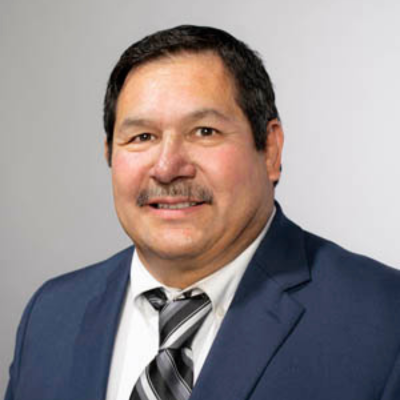
I’m Ruben Medina – a father, community organizer, former firefighter/EMT, and the current city councilmember in Ward 3. I’ve dedicated my life to public service and building communities that help people thrive. As a man of color, I’ve also worked to help Black, brown, and other marginalized communities dismantle broken systems and rebuild them for our good. Notably, I launched the first ambulance in my hometown, worked as a wrestling coach, served as a firefighter/EMT, and even organized a community to bring the Moorhead Recreation Center, the first rec center in over 40 years, to Aurora. In addition to my role on Council, I work as a project manager building sustainable urban communities. I first ran for office to bring responsiveness, community engagement, and results to Ward 3. I’ve passed better water standards, increased park rangers and public safety, and invested in our business district. Now, I’m running for re-election to protect other campaign pledges, such as the first-ever Youth Empowerment Center and a sports and entertainment complex that will grow the economy and reinvest in community programs. I’m one of the final two councilmembers who can defend our communities from extremists.
Please share more about an issue on your platform and why you see it as a priority for Aurora.
One issue I often hear about is the cost of living. There are many ways to address it, and I’m focused on economic solutions. A key part of my platform is to foster local economic growth by developing Aurora's first multi-purpose sports and entertainment complex. My plan is to ensure local Black businesses are actively involved in the construction, the surrounding retail spaces, and community reinvestment initiatives. As these businesses grow, they will in turn create other jobs. As a councilmember, I believe Black people, and particularly Black women, have been historically underserved. This is due to several factors, including limited access to resources and funding, insufficient direct engagement, and harmful stereotypes about Black businesses. My job (in addition to City Council) is led by Black women, and my collaborations with several Black-owned businesses have shown me firsthand their resilience and success, despite the unique challenges they face. Addressing these challenges is a priority for me in Aurora.
How do you define public safety and what do you believe the city council’s role is when it comes to fostering safe and healthy communities?
I’m a former firefighter/EMT and started the first ambulance service in my hometown. While public safety is broadly defined as the prevention and protection of people from harm, I believe it should also include the physical and psychological safety and wellbeing of communities, too. As a former public safety professional, I believe it’s critical that our policies reflect and prioritize community values. I’ve successfully facilitated the reparation of the relationship between the Latino community and police in Ward 1 – so much so that the community created an appreciation mural for a police officer- and these strategies can be implemented citywide. First and foremost, we need data and transparency—especially in areas like North Aurora, where Black people have experienced significant trauma and broken trust by public safety officers. In light of recent incidents involving officer-involved shootings of Black men, the council must ensure police investigations and public safety processes are as open and clear as possible. But transparency alone isn’t enough. We need accountability and ongoing, consistent dialogue with the community—not just when something bad happens. These conversations need to be ongoing, a regular part of how we approach public safety. Another key issue is how public safety entities, especially police, present themselves to the community. One of my concerns is that many police-led events focus heavily on showcasing force—bringing out SWAT vehicles, tactical gear, and weaponry. While that may not be the intention, to many communities of color, it sends a very clear message: "This is what happens if you step out of line." That’s not a positive image, and it doesn’t help build trust. Instead, I’m encouraging police to think differently. Can we have events where officers appear in a more casual setting, rather than full tactical gear? Can we create opportunities for real, human conversations and interactions, where community members can engage with officers as neighbors, not as enforcers? We need to build relationships. Right now, I think there’s a real disconnect. Most community members don’t know the officers in their neighborhood—and the officers often don’t know the people they serve. That’s true for fire services as well. We haven’t done a great job there either. Ultimately, we need to foster mutual understanding. When we know each other, we create space for trust. And when there’s trust, some of these tragic incidents—particularly shootings—might be avoided. We may never eliminate them entirely, but we can certainly reduce the risk when people feel connected and respected on both sides.
What are your budget priorities and how would they impact the community you would represent?
A significant budget priority of mine is the economy, and identifying ways to support residents better financially. One way I will achieve this is through the contract process, ensuring the city invests more in Black women-owned businesses. As I review city contracts currently, the reality is that many contracts tend to be awarded to white-owned businesses—typically those owned by men, and often those with long-standing relationships with the city or the contracting agencies. Meanwhile, many talented individuals, especially Black women entrepreneurs, aren’t even on the radar. That’s why I believe we need to be more intentional and specific about how we prioritize equity in the city’s budget. When it comes to my plan for a Youth Empowerment Center and multipurpose sports and entertainment complex, I want to include local Black-owned businesses in every aspect, from construction to retail space. I also want a portion of the revenue reinvested in community programs and services so the overall project benefits residents and they have a stake in the economy.
What are your thoughts on how to protect and increase access to civic engagement for historically disenfranchised communities, including Black voters and incarcerated voters?
Civic engagement is a process. We must acknowledge how historically disenfranchised communities, especially Black people, have been disproportionally harmed by the systems we ask them to particpate in. Trust must be restored. Next, we need to be aware of the resources and realities of the communities we endeavor to serve so that we can correctly understand obstacles to civic engagement. For example, does an individual or community have access to transportation network that allow them to easily and fully participate in society–whether it’s getting to work or casting a ballot? Then we can solve the correct problems and increase civic engagement. I do this work currently with the Foundation for Sustainable Urban Communities’ BeWell Block Captain Program. At BeWell, a Black woman-led organization, we address the social determinants of health from a holistic perspective and work to engage and empower Black, brown, and historically disenfranchised people. Our Block Captains have three tiers of advocacy helps them become better informed, build agency, and then become full change agents. Our participants have provided testimony at the state capitol, led community initiatives, and even launched businesses as a result of this model and the resources we’ve provided.
Cost of living and housing affordability consistently rise to the top as a key issue for Black voters - if elected, what are your plans to address this issue?
I believe that having clean, safe, and stable housing is foundational to a healthy individual and society. The cost of living and housing affordability are key issues, and they require a multi-approach solution. Broadly speaking, Aurora is experiencing rapid growth, which has put significant pressure on our housing supply. Currently, there is simply not enough housing to meet the demand. On top of that, we must address our current laws that have disproportionately affected Black residents and affordability.
One of the things I’m actively working on is updating our zoning laws and building codes. Our laws and codes have limited the types of housing the city/developers can build to support a range of family types. There’s an informal moratorium on traditional housing like apartments, condos, and townhouses. The codes exist because bad actors developed poorly constructed properties from the 1980s-2000s. The liability fell on the homeowner, not the builders. The city can be more aggressive in stopping slumlords, abusive landlords, and developers. Additionally, affordable housing units (ADUs) have been limited to specific parts of the city, concentrating Black, brown, and other communities in certain areas. Residents in these properties must qualify, which further excludes Black families who are “in the middle” and need support.
So, my final approach is to explore more alternative housing types. Black families are limited in choosing between single-family homes or apartments (which, due to demand, have high market-rate rents). Manufactured housing—such as high-quality mobile homes or manufactured housing communities—can offer more affordable options for residents.
In addition to increasing income and wages, we need more diverse and affordable housing options across the board, while still ensuring quality and safety for residents.
What do you see as city council’s role in supporting the Aurora community to navigate a rapidly shifting political landscape, especially when it comes to immigration and healthcare policy?
Aurora is one of the most diverse cities in the country, with over 160 languages spoken here. Our diversity is our strength, and we need to navigate it well. While I am the grandson of Mexican immigrants, immigration does not have a specific face. I’m proud that the mayor and city council have stated publicly that we will only cooperate with the Feds, ICE, and other entities if there's an emergency situation or where lives are at risk. Collectively, we will not engage other than in the normal roles of police. We're not to help immigration, locate people, tell people where they are, or detain them in any way due to immigration status. Thankfully, our Chief of Police made similar public declarations, and for as long as I’m a city councilor, I will continue to support organizations that provide protection to residents with various immigration statuses. Regarding healthcare policy, Aurora is a city, not a city and county, so the policy decisions are made at the county and state level. However, I will continue to do what I’ve always done throughout my career— advocate and connect people to resources, leaders, and organizations that provide direct support. Again, I do this daily as the project manager of BeWell, a Black-woman led health and wellness initiative. We work in dominately Black and brown communities to run programs, shift policy, and create partnerships to create a culture in which all people have an equal opportunity to achieve the health they desire, regardless of their race, income, gender, location, education, or any other social barrier.
Are there any endorsements you would like to share?
Yes, my campaign has received multiple endorsements with more forthcoming that I'm not able to share at the moment. Some include: Democratic Municipal Officials, Colorado People’s Action, One Main Street Colorado, Conservation Colorado, New Era Colorado, and Planned Parenthood, to name a few.